
Sun Safety Expertise
Science-backed guidance on UV protection, skin types, outdoor activities, and keeping your family safe in the sun.
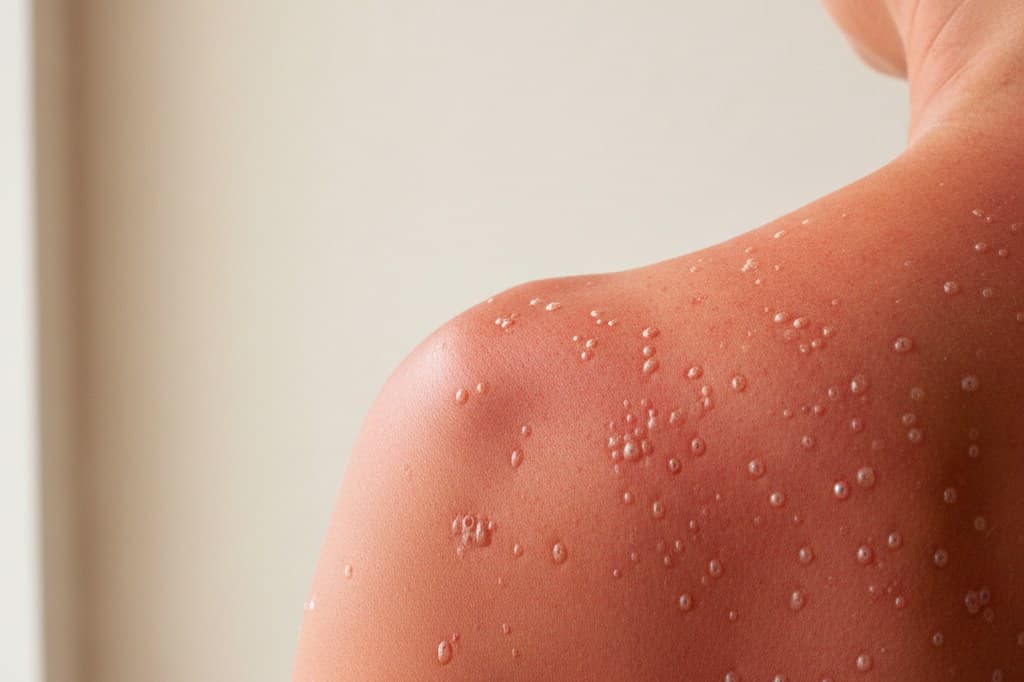
Sunburn Blisters: What They Are, How to Treat Them, and When to Worry
Sunburn blisters mean a second-degree burn from UV radiation. Here's how to treat them safely, what not to do, and when to see a doctor.
Mineral vs Chemical Sunscreen: Which One Actually Protects You Better?
Mineral sunscreen sits on your skin and reflects UV rays. Chemical sunscreen absorbs them and converts them to heat. Both work — but which one makes more sense for your skin, your kids, and today's UV index? Here's the comparison that actually helps you decide.
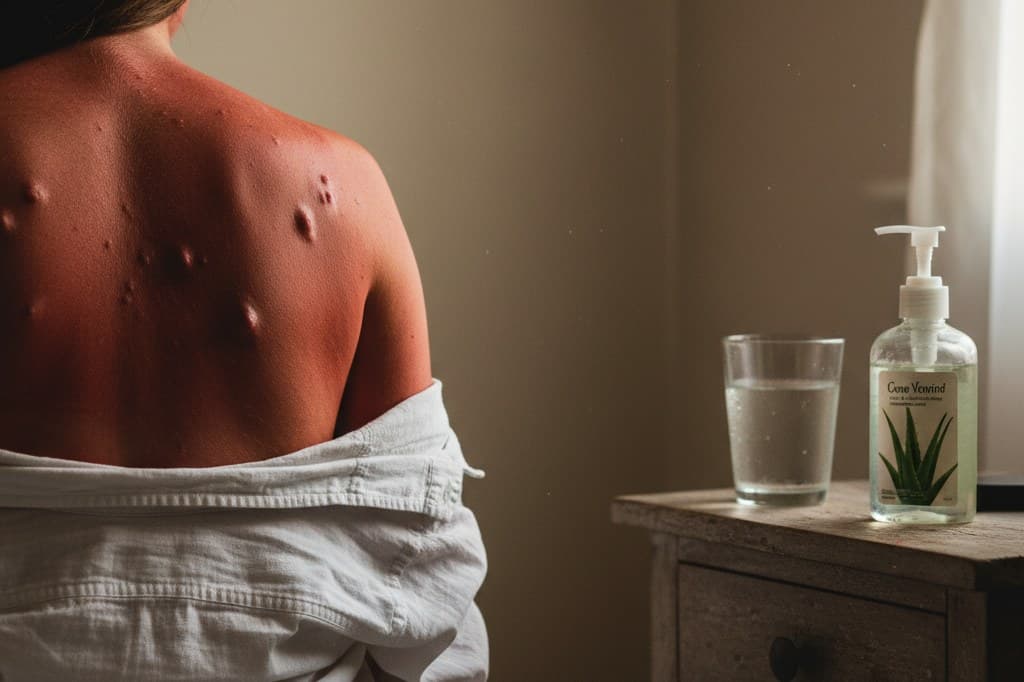
Sun Poisoning: Symptoms, Treatment, and When It's More Than a Sunburn
Sun poisoning isn't just a bad sunburn — it's a severe systemic reaction with fever, chills, and blistering. Here's how to spot it, treat it, and know when to see a doctor.
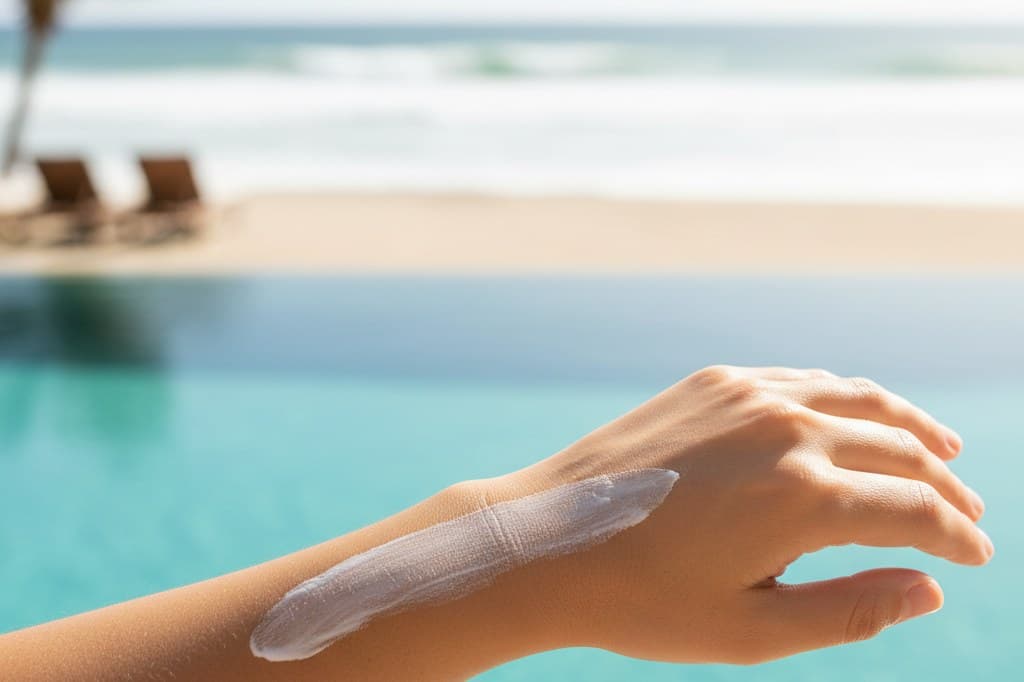
How to Apply Sunscreen Properly: A Dermatologist-Backed Guide
Most people use half as much sunscreen as they need—and half of SPF 30 gives you about SPF 5. Here's exactly how much to use, where people miss, and when to reapply.
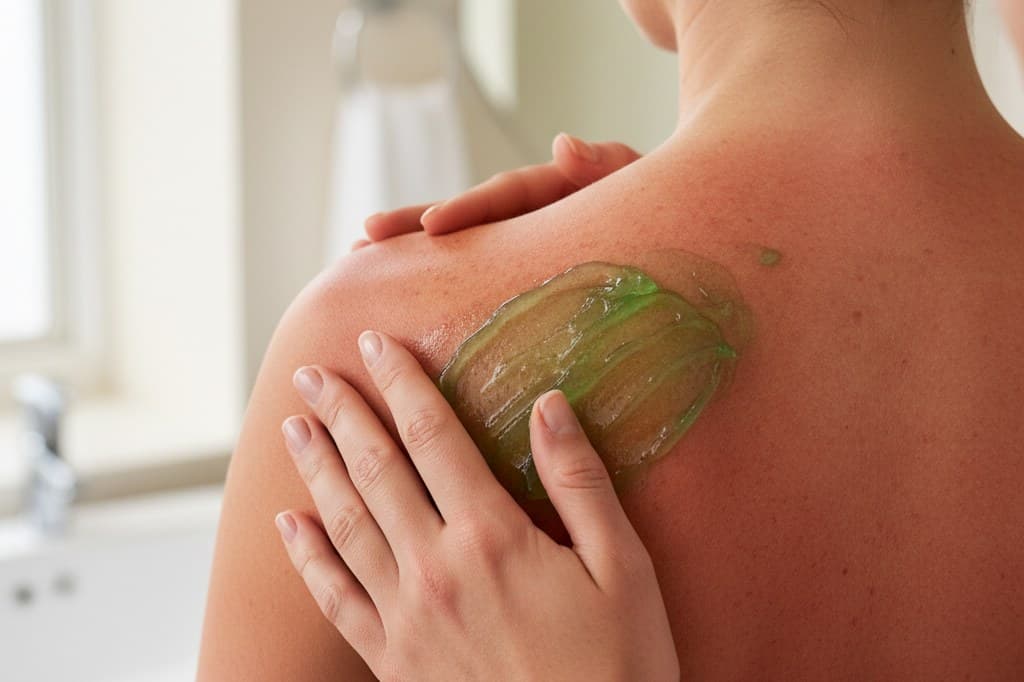
How to Treat a Sunburn: Fast Relief That Actually Works
Cool the skin, moisturize with aloe, take ibuprofen, and hydrate — in that order. Here's the step-by-step sunburn treatment plan, what to avoid, and how to never need this article again.
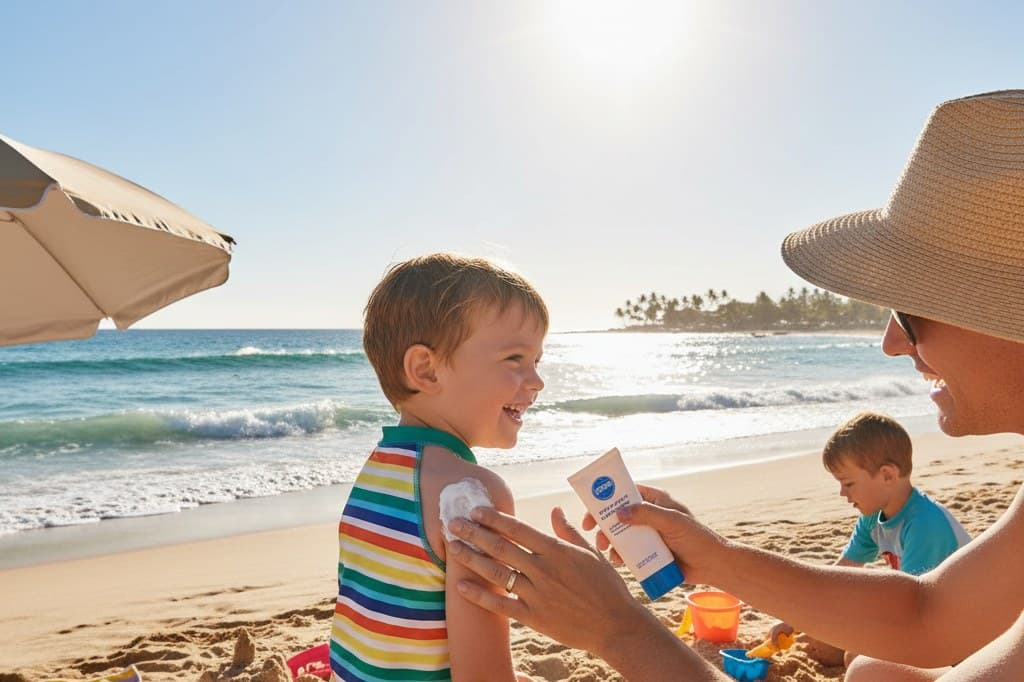
Water Resistant Sunscreen: What the Label Actually Means (and What Doesn't)
Water resistant sunscreen isn't waterproof — and the label tells you exactly how long it lasts in water. Here's what 40 vs 80 minutes means, how the FDA tests it, and when to reapply.
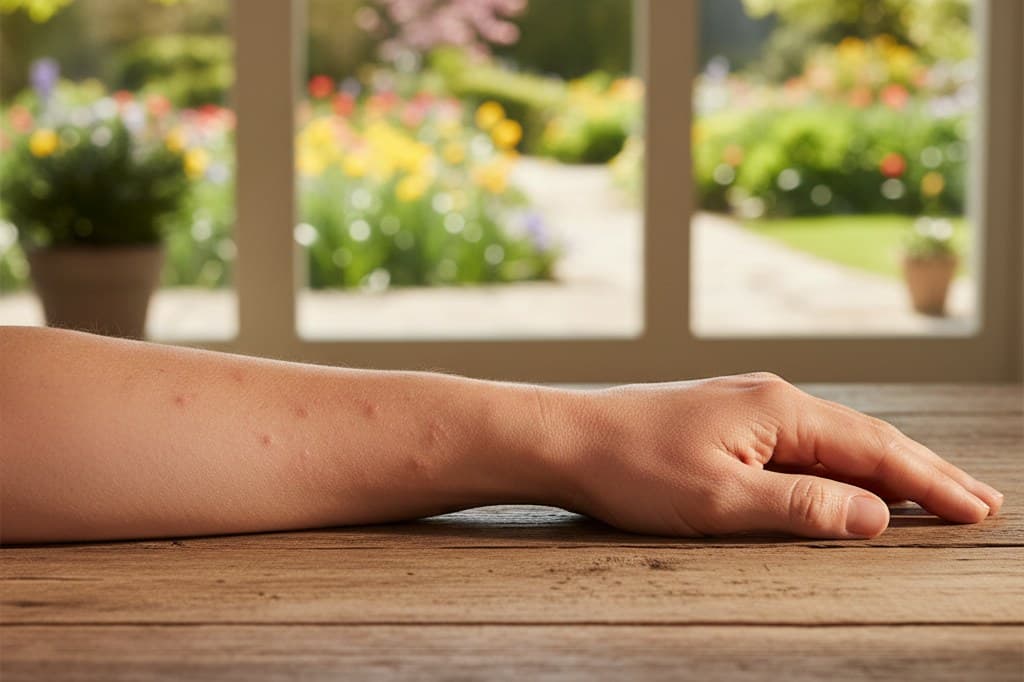
Sun Rash and Sun Allergy: Why Your Skin Reacts to Sunlight
Sun rash (PMLE) affects an estimated 10% of people — an itchy reaction to UV that returns every spring. Causes, treatment, and how to prevent the next flare.
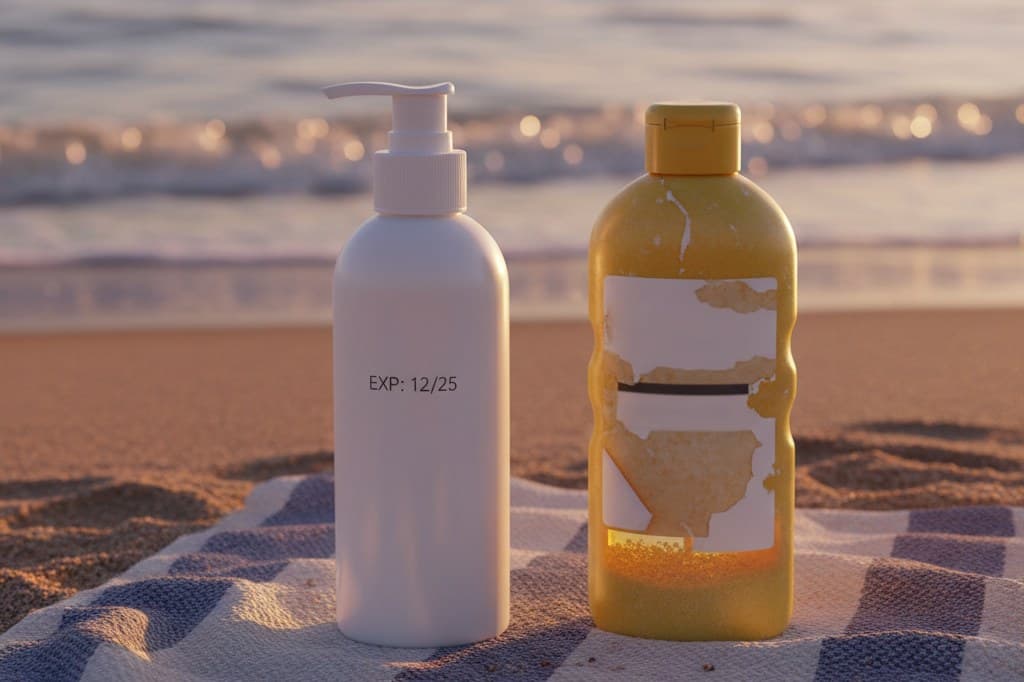
Does Sunscreen Expire? How Long SPF Lasts in Real Life
Yes — sunscreen expires. FDA baseline is ~3 years; heat kills SPF faster. Check dates, spoilage signs, and when to toss last summer's bottle.
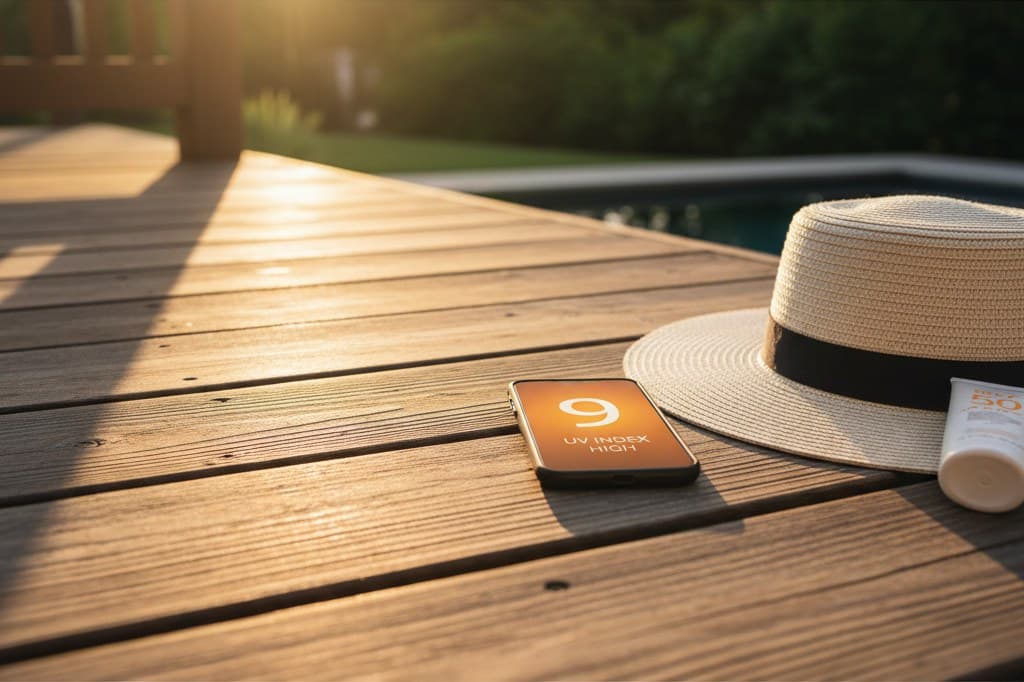
How Long Does It Take to Burn by UV Index? Burn Time Chart
How long it takes to burn at UV index 4, 5, 6, 7, 8, 9, 10 and 11 — plus why your real burn time depends on skin type, age, reflection and location.
Wildfire Smoke Health Effects: What AQHI 10 Does to You
AQHI 10, PM2.5 at 129 µg/m³ — 8× the WHO guideline. What smoke does inside your body, why kids and seniors suffer most, and how to protect indoor air.
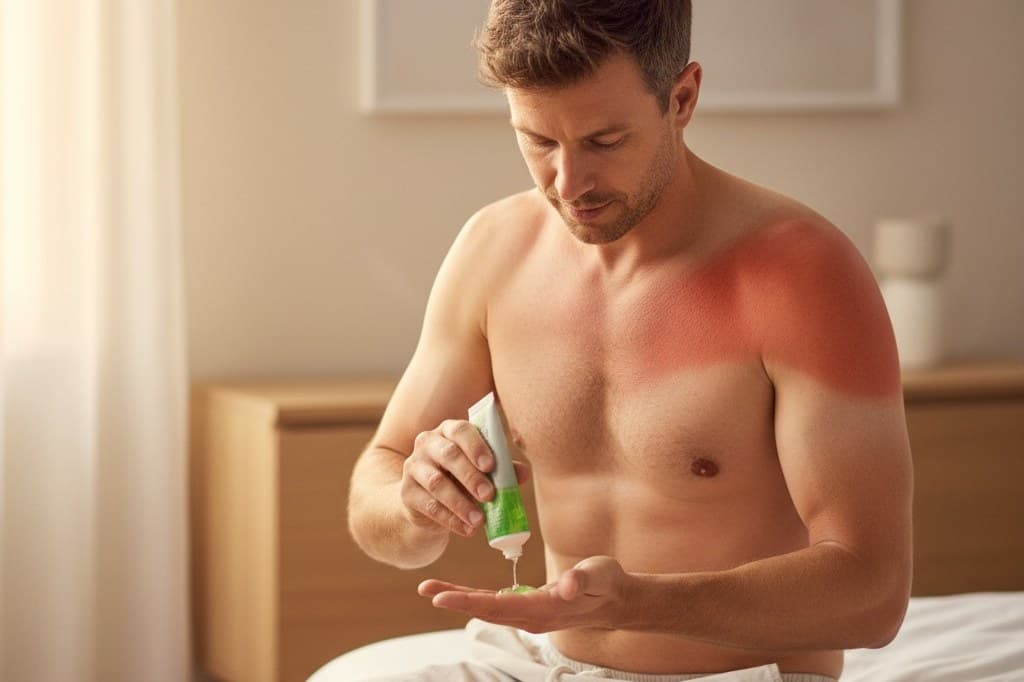
How Long Does a Sunburn Last? What to Expect & Heal Faster
A mild sunburn lasts 3-5 days, moderate about a week, blistered second-degree burns 7-14 days. The healing timeline and what actually speeds it up.
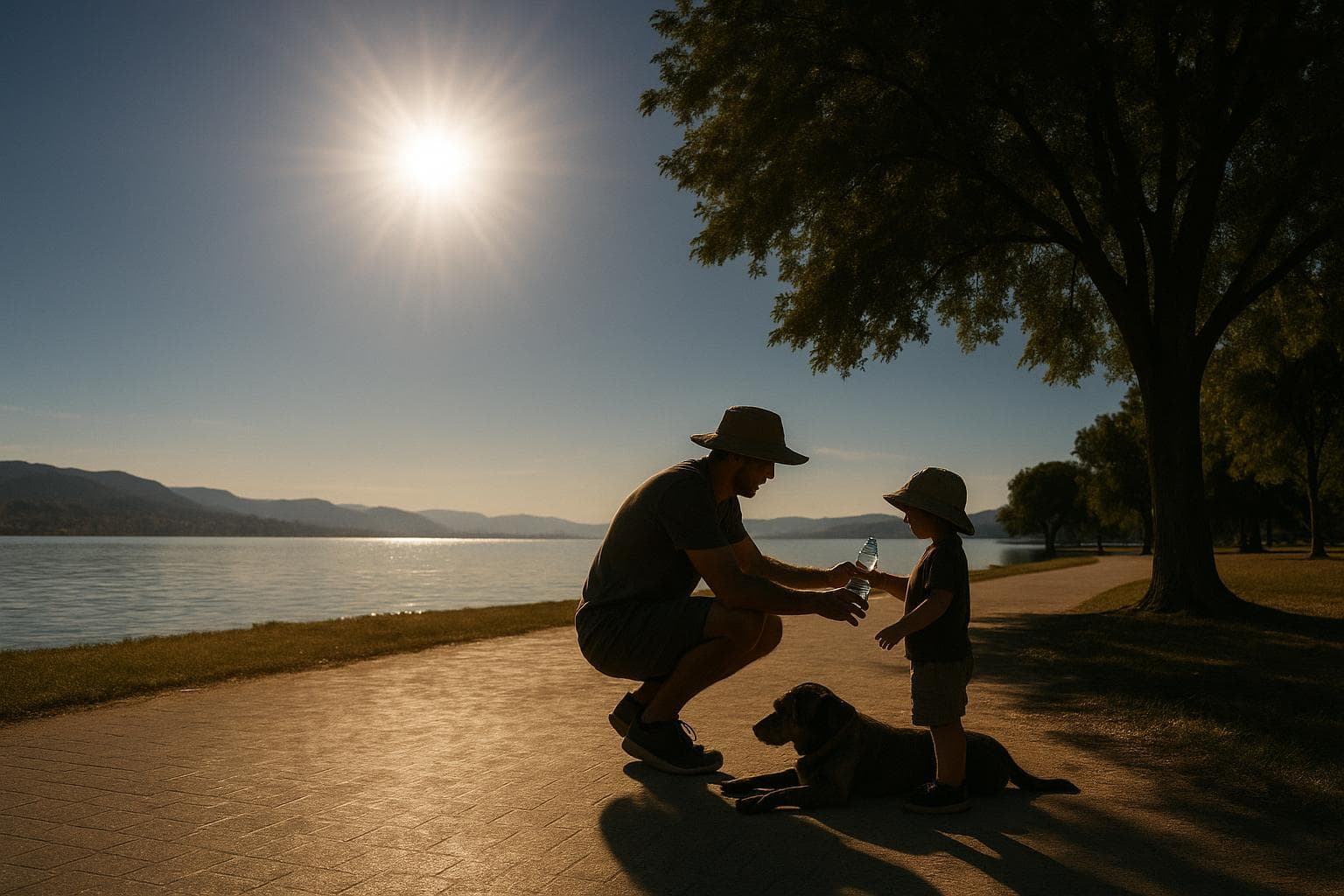
Heat Wave UV Safety: Why My Safe Sun Time Today Is Just 30 Minutes (Yours Will Differ)
Southern Ontario is under a heat warning with 37°C highs, humidex near 45, and UV 9.5. My personalized safe-sun window today is about 30 minutes — here's why yours will be a different number, and how to check it for yourself and your family.
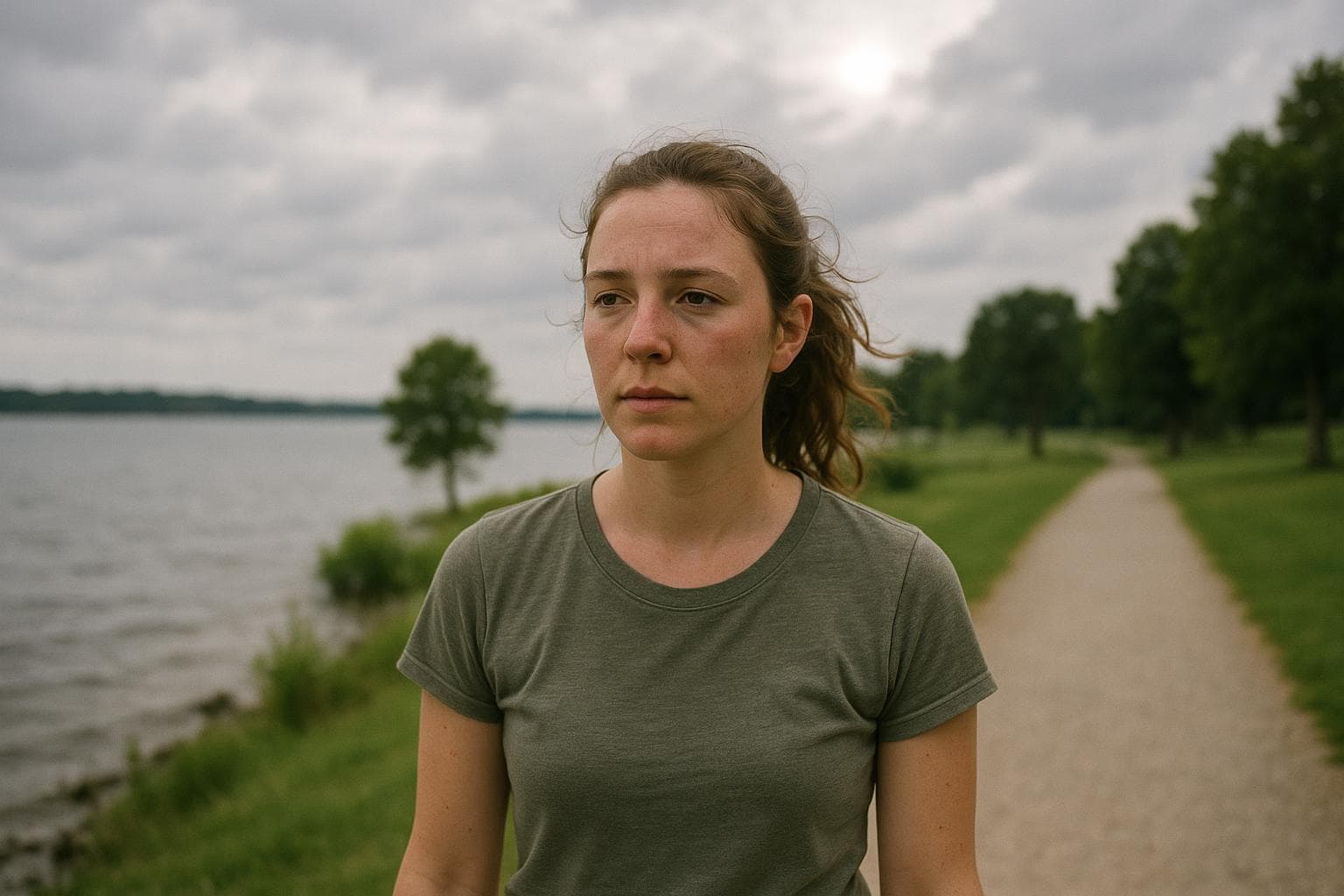
Can You Get Sunburned on a Cloudy Day? Yes, Here's Why
Yes, you can get sunburned on a cloudy day. Here’s how much UV gets through clouds and how to check your personal burn risk.

Sun Protection for Runners: A Race-Day UV Guide
A clear, warm June morning is exactly when runners underestimate UV. A science-forward guide to sun protection for runners — UV thresholds, burn time, and what actually works.
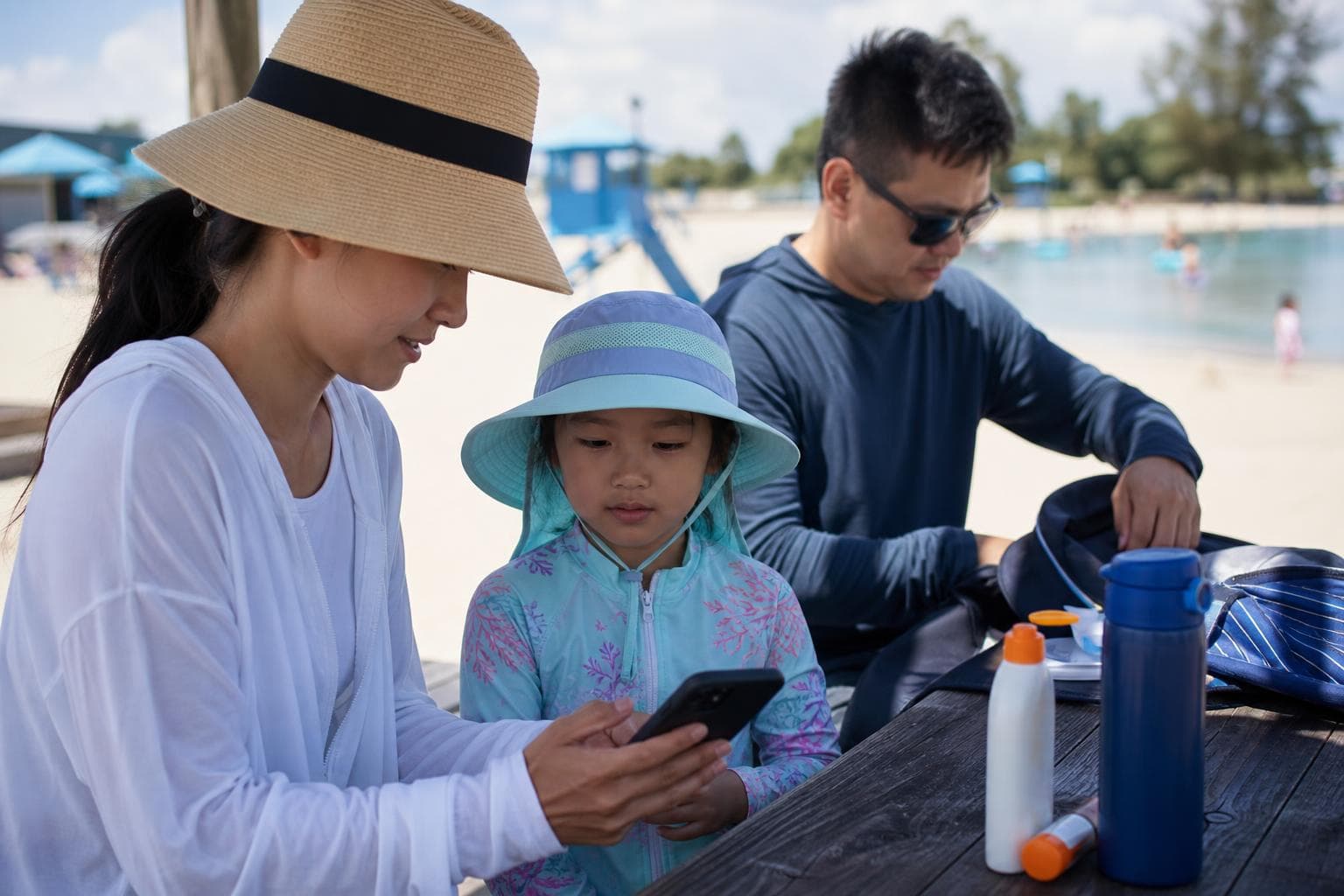
UV Index 8 for Kids: Safe Summer Planning 2026 | SunUp
UV index 8 for kids: what it means in minutes, summer 2026 burn-time planning, and SunUp family mode UV index 8 for kids means “very high” UV, and a fair-skinned child can start to redden in roughly 10 to 20 minutes…

UV Index for Families: Sunscreen, Shade, and Reapply Timing
A practical family guide to using the UV index: when to apply sunscreen, when to seek shade, and when to reapply during beach days, sports, hikes, and outdoor play.

Hats, Sunscreen, or Shade? What Actually Protects Kids Most from UV Rays
All three protect children from UV rays — but they work in completely different ways. Here's what the science says about each, and why layering them together beats any one approach alone.

The First 10 Years Are Everything: Why Sun Damage in Childhood Is a Lifetime Problem
The UV damage children accumulate before age 18 silently sets the stage for skin cancer and vision loss decades later. Here's what every parent needs to understand.
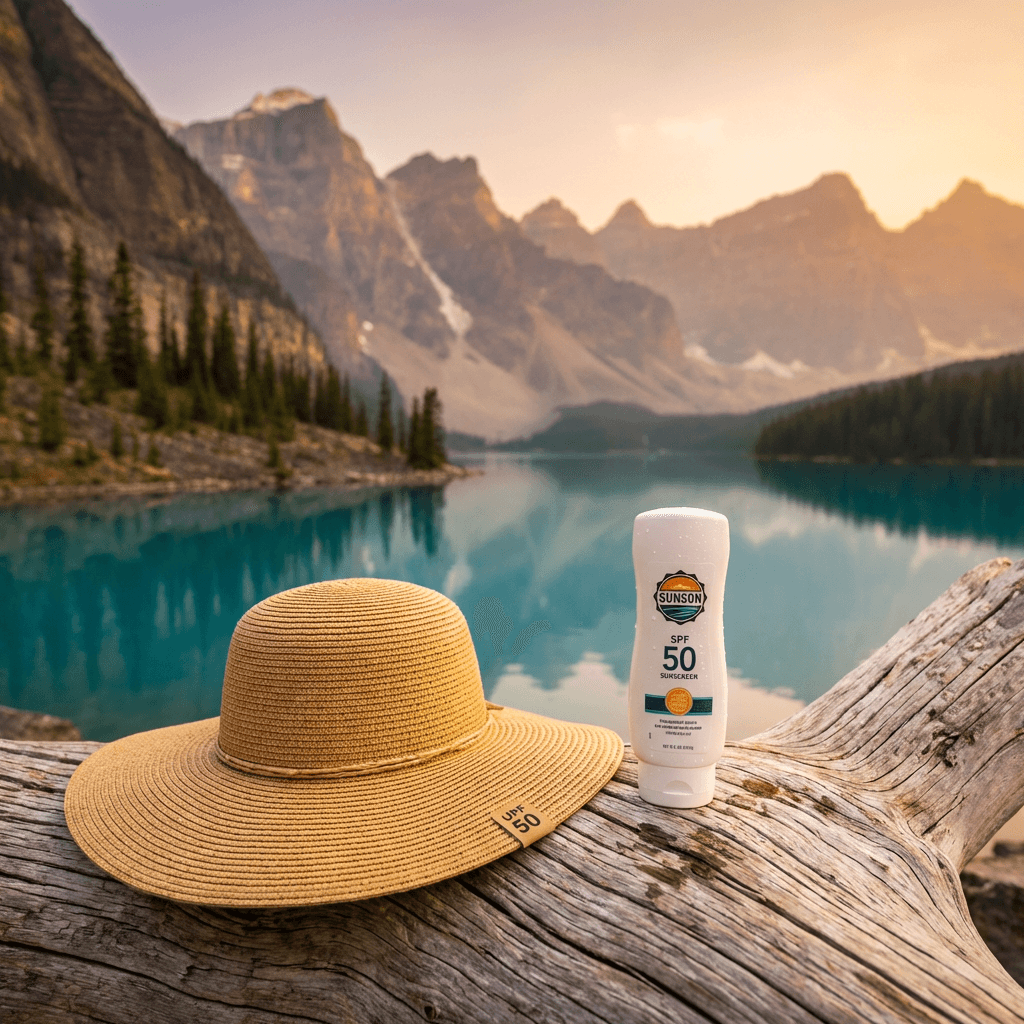
SPF vs UPF: What's the Difference and Which Do You Actually Need?
SPF 50 and UPF 50 look identical on a label. They measure completely different things. Here's what each rating actually tells you — and why outdoor enthusiasts need both.
Run with Us: Bronte Runners — Oakville's Largest Running Community
Close to 700 members, organized runs every week, and a home base at Bronte Harbour. Here's everything about joining one of Halton's largest running groups.
How Much Sun Do You Actually Need for Vitamin D? The Real Numbers.
Most people need 10–30 minutes of arm and leg exposure for vitamin D — depending on skin type. Staying longer adds UV damage, not more vitamin D.
Sunscreen: How to Actually Use It (Most People Are Getting It Wrong)
Half-application of SPF 30 gives you SPF 5. Here's how much sunscreen to actually use, what SPF means, and when to reapply — based on dermatologist guidance.

UV 9 Burn Time and Tan Time: 10, 20, 30, or 60 Minutes?
UV 9 burn time can be minutes for fair skin. See what 10, 20, 30, or 60 minutes means, then check your personal SunUp number.
There Is No Safe Tan — What a Dermatologist Wants You to Know
There is no safe tan. Any skin darkening from UV — including a light tan or new freckle — means DNA damage has already occurred. Here's the science.

UV Index Explained: What Every Number Actually Means
The UV index runs 0 to 11+. Here's what each number means, when you need sunscreen, and how SunUp turns it into a personalized safe-time recommendation.
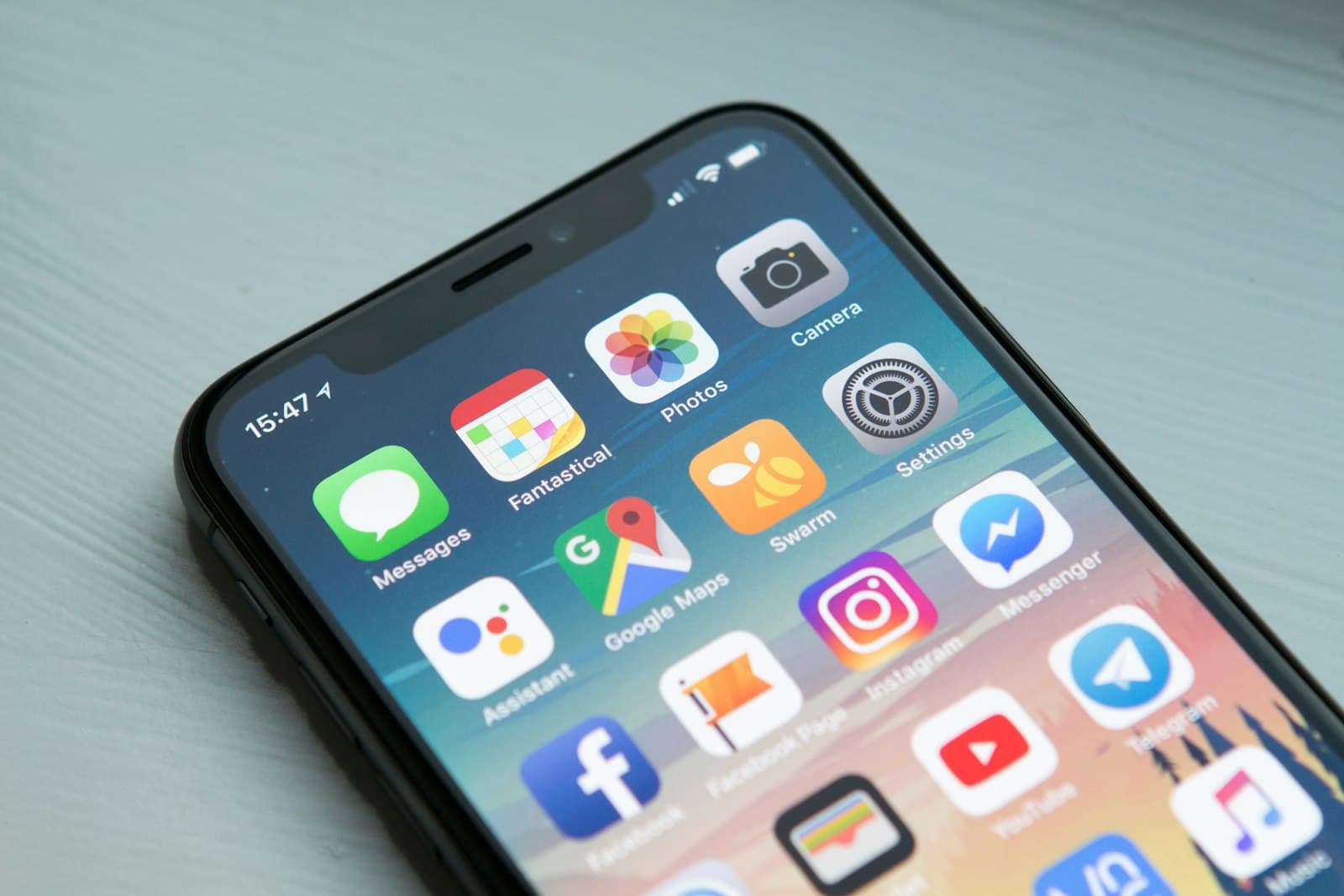
SunUp App Features: Your Complete Sun Safety Companion
SunUp is a free iOS app that personalizes UV safety by skin type, activity, and GPS location. Here's every feature — and why it goes beyond basic UV apps.
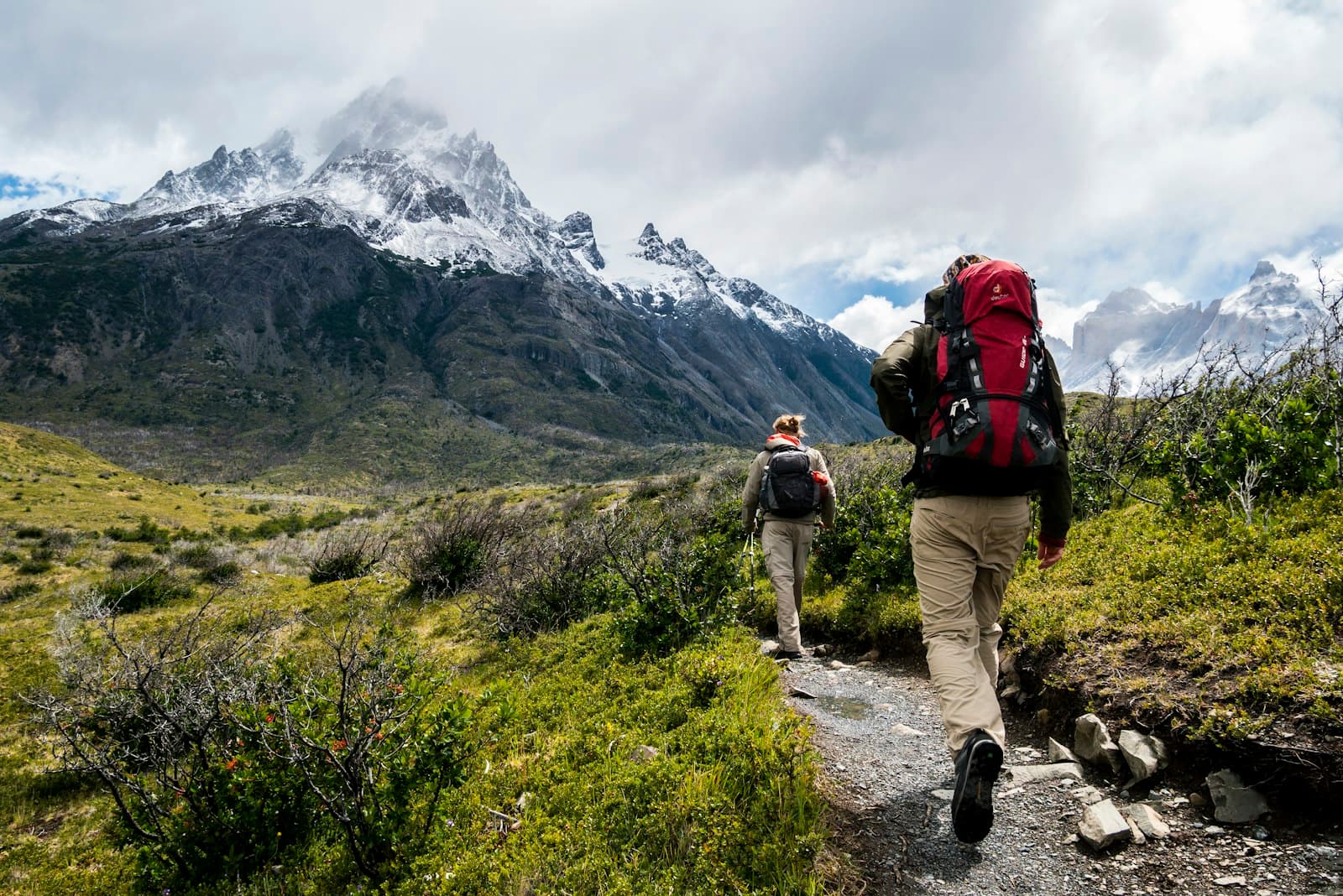
Complete Sun Safety Guide for Hiking and Trail Running
Altitude increases UV 10–12% per 1,000m. Hikers get burned more than almost any outdoor group — here's why and how to protect yourself on trails.

Fitzpatrick Skin Types: Which Type Are You and Why It Matters for Sun Safety
The Fitzpatrick Scale classifies skin into 6 types by UV sensitivity. Knowing yours is the most important step toward personalized sun protection.
How to Protect Your Family's Skin: A Parent's UV Safety Guide
Over 80% of lifetime UV exposure happens before age 18. Here's the complete parent's guide to protecting your family — from infants to teenagers.

Air Quality + UV Index: Why Both Matter When You Go Outside
Wildfire smoke reduces UV but creates serious respiratory risk. Here's why monitoring air quality and UV together gives a complete outdoor safety picture.