
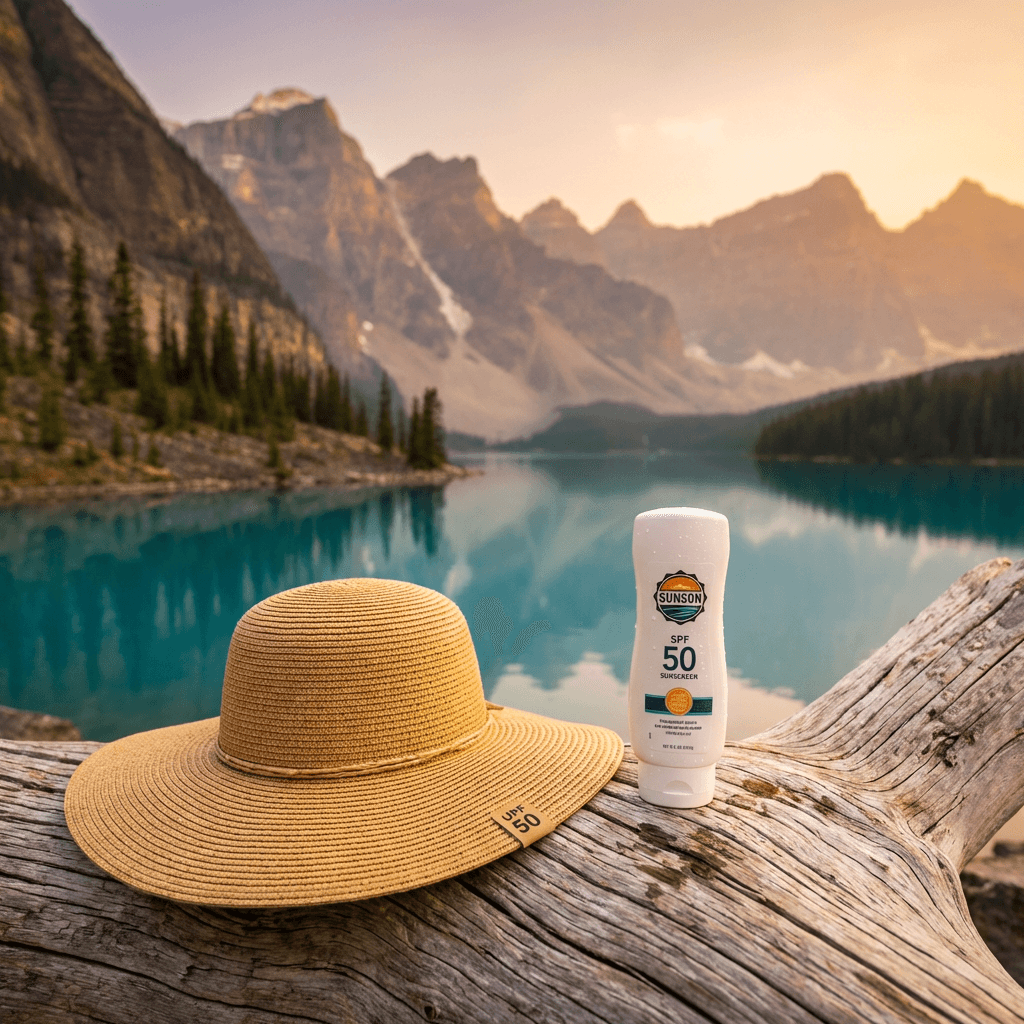

Here's something that catches a lot of people off guard: SPF 50 and UPF 50 look identical on a label, but they measure completely different things. One is for sunscreen. One is for fabric. They use different testing methods, measure different UV rays, and work in different ways.
Most people assume the numbers are interchangeable. They're not.
This distinction matters most for outdoor enthusiasts — hikers, fishermen, trail runners, anyone spending multiple hours in direct sun. At UV index 8, you're dealing with enough UV radiation to cause skin damage in 15–25 minutes on unprotected fair skin. Knowing exactly what your protection covers (and what it doesn't) isn't a minor detail.
Quick Answer: SPF measures how long sunscreen delays UVB-caused sunburn — it only rates one type of UV radiation. UPF measures how much UV radiation (both UVA and UVB) passes through fabric. SPF 50 ≠ UPF 50. For complete outdoor protection, you need both: UPF clothing for covered areas, broad-spectrum SPF 30+ sunscreen for exposed skin like your face and hands.
What SPF Actually Measures
SPF stands for Sun Protection Factor. It measures one specific thing: how long sunscreen delays UVB-caused sunburn compared to unprotected skin.
The number works as a multiplier. SPF 30 means your skin can handle 30 times more UVB exposure before burning than bare skin. If your unprotected skin would redden in 10 minutes, SPF 30 theoretically extends that to 300 minutes.
UVB protection by SPF:
| SPF | UVB Blocked | UV Reaching Skin |
|---|---|---|
| SPF 15 | 93% | 7% |
| SPF 30 | 97% | 3% |
| SPF 50 | 98% | 2% |
| SPF 100 | 99% | 1% |
Notice the diminishing returns. The gap between SPF 30 and SPF 50 is one percentage point. The American Academy of Dermatology sets SPF 30 as the minimum standard for outdoor activity because that's where meaningful protection stabilizes.
Here's what SPF does not tell you: anything about UVA. UVA rays are the ones responsible for premature aging and deeper DNA damage — and they pass through clouds and glass at consistent intensity throughout the day. To get UVA coverage from sunscreen, you need the words "broad spectrum" on the label. An SPF 50 sunscreen without "broad spectrum" leaves you unprotected against half the UV problem.
One more thing SPF doesn't account for: application. Studies show most people apply 25–50% of the sunscreen needed for the labeled SPF to be accurate. Half the dose on SPF 30 delivers roughly SPF 5 protection in practice. We covered this in detail in the sunscreen application guide.
What UPF Actually Measures
UPF stands for Ultraviolet Protection Factor. It measures how much UV radiation passes through fabric and reaches your skin — covering both UVA and UVB.
Unlike SPF's time-based approach, UPF is a direct transmittance rating. UPF 50 means only 1/50th (2%) of all UV radiation penetrates the fabric. The other 98% is blocked, absorbed, or reflected.
UPF protection ratings:
| UPF Rating | UV Blocked | Protection Category |
|---|---|---|
| UPF 15–24 | 93–95% | Good |
| UPF 25–39 | 96–97% | Very Good |
| UPF 40–50+ | 98%+ | Excellent |
The critical distinction: UPF measures both UVA and UVB together, in a laboratory using spectrophotometry. Put on a UPF 50 shirt and that 98% protection is automatic, consistent, and doesn't require reapplication. It doesn't wash off in the lake. It doesn't rub off on your pack straps.
What surprises most people is how little protection regular clothing provides. That white cotton t-shirt you throw on for a day hike?
| Regular Clothing | UPF Rating | UV Getting Through |
|---|---|---|
| White cotton t-shirt (dry) | 5–7 | 14–20% |
| White cotton t-shirt (wet) | 3 | 33% |
| Light linen shirt | ~5 | 20% |
| Dark denim | 1,700 | Essentially zero |
| UPF 50+ rated fabric | 50+ | Less than 2% |
Get that white t-shirt wet — crossing a stream, sweating through a long climb — and you're at UPF 3. One third of all UV radiation is reaching your skin straight through the fabric. That's worse protection than a light application of SPF 15 sunscreen.
SPF vs UPF: The Key Differences
| Factor | SPF (Sunscreen) | UPF (Fabric) |
|---|---|---|
| What it rates | Lotions, sprays, sticks | Clothing, hats, umbrellas |
| UV rays measured | UVB only (unless "broad spectrum") | UVA + UVB |
| How it's measured | Time until skin reddens (human subjects) | UV transmittance through fabric (lab) |
| Reapplication required | Every 2 hours minimum | Never — built into fabric |
| Protection consistency | Depends on application amount and technique | Same every time |
| Degrades in sunlight | Yes | No |
| Coverage | Only where applied | Only where fabric sits |
The consistency difference is the most underrated point. SPF protection is entirely dependent on user behavior — how much you apply, how evenly, whether you reapply at the right intervals, whether sweat and water have washed it off. Miss a spot on your shoulder? Zero protection there. UPF is built into the material. Cover the skin, the fabric does the rest.
Neither replaces the other. They cover different things, literally. UPF fabric covers the areas it sits on. Sunscreen covers exposed skin — face, neck, hands, legs, anywhere the fabric isn't.
What Does UPF 50+ Actually Mean?
UPF 50+ is the highest protection category. The "+" signals that the fabric has been tested and exceeds the baseline UPF 50 rating — it might be rated UPF 55 or 60 or higher, but testing doesn't differentiate above 50.
The Skin Cancer Foundation requires UPF 50 as the minimum for their Seal of Recommendation. That's the threshold they determined provides reliable, meaningful protection for extended outdoor use.
One thing worth knowing: UPF 50 and UPF 30 sound close, but the math tells a different story. UPF 30 allows 3.3% of UV through. UPF 50 allows 2%. That means UPF 30 lets through 65% more UV than UPF 50. Over a five-hour hike, that's a meaningful difference in cumulative exposure.
UVA and UVB: Why Both Ratings Matter
To understand why the SPF/UPF distinction matters, you need to understand what UVA and UVB actually do.
UVB rays are the burning rays. Shorter wavelength, they penetrate the outer layers of skin, cause sunburn, and directly damage DNA. Most intense between 10am and 2pm, weakest in early morning and late afternoon. Blocked by glass. SPF specifically measures protection against UVB.
UVA rays penetrate deeper. They reach the dermis — the layer below the surface — where they break down collagen, accelerate aging, and cause the kind of cumulative DNA damage now understood to contribute significantly to skin cancer risk. UVA intensity is relatively constant throughout the day. It passes through clouds. It comes through car windows. You're getting UVA exposure on an overcast day in October, not just July at noon.
SPF numbers say nothing about UVA. Only "broad spectrum" labeling indicates UVA protection in sunscreen. UPF covers both by definition.
This is why layering both types of protection matters — especially outdoors. Sunscreen handles UVB (and UVA if broad spectrum) on exposed skin. UPF fabric handles the full UV spectrum wherever it covers.
Your Hat Is Part of Your Sun Protection System
This is where most SPF vs UPF guides stop short. They cover clothing in general terms but ignore the most important piece of outdoor sun protection: your hat.
Your scalp, face, and neck are the highest-exposure areas during outdoor activity. Walk a trail for four hours and your face takes four times the UV dose of your torso (which at least has a shirt). A wide-brim hat with a UPF 50+ rating is doing significant work — blocking direct UV from the sun above and protecting skin that no shirt covers.
The key word: with a UPF rating. A cotton baseball cap or a standard straw hat provides minimal UV protection. The brim blocks some direct sun, but the fabric itself lets UV through. A UPF 50+ hat uses certified sun-protective fabric that blocks 98% of UV across the brim, crown, and any neck flap.
The GearTOP Navigator hat (UPF 50+, 4.6/5 stars, 2,400+ verified reviews) was designed specifically for this — full brim coverage with UPF 50+ certified fabric, lightweight enough for all-day hiking and fishing. It earned the CleverHiker award for "best bang for your buck with incredible field performance." For the same ~$30 price as the Columbia Bora Bora, it outperforms on protection (UPF 50+ vs similar spec) and user ratings (4.6 vs 3.8 on Amazon).
For trail runners and hikers: the hat matters as much as the sunscreen. If you're going to compromise anywhere, don't compromise on head and face coverage. That's your highest-exposure surface, and you can't reapply fabric.
Do You Need SPF, UPF, or Both?
Both. Here's the practical breakdown by scenario:
Day hike (3–6 hours):
- UPF 50+ hat — face, scalp, neck covered
- UPF shirt or UV-protective long sleeves — torso covered, no reapplication needed
- Broad-spectrum SPF 30+ — face, neck, hands (reapply every 90–120 minutes or after heavy sweating)
Fishing trip (all day on water):
- UPF 50+ hat with neck flap — direct sun plus significant UV reflection off water
- UPF long sleeves and possibly UPF neck gaiter
- SPF 50 on face and hands — water reflection roughly doubles UV exposure, so higher SPF is justified
- Reapply sunscreen every hour on water
Trail running (under 90 minutes):
- UPF hat at minimum
- SPF 30+ on exposed skin before heading out
- Timing matters: at UV index 6 and above, even a 45-minute run in midday sun delivers meaningful UV dose
Casual outdoor time (under an hour):
- SPF 30 applied correctly is often sufficient
- Add UPF clothing if you're fair-skinned or in a high-altitude environment
The practical advantage of UPF clothing: the more skin you cover with UPF-rated fabric, the less surface area needs sunscreen. That's less money on sunscreen, less time reapplying, and fewer missed spots.
Using the SunUp App to Know When Both Matter
UV exposure varies enormously by time of day, season, and location. UV index 3 at 8am is a completely different situation than UV index 10 at noon. The protection you need for a 6am trail run is not the same as what you need for a 12pm fishing trip.
The SunUp UV Safety app shows your real-time UV index and calculates personalized safe exposure times based on your Fitzpatrick skin type. Before heading out, you can see exactly how long you have before meaningful UV dose accumulates — and plan your protection layers accordingly.
At UV index 3 or below, a well-applied SPF 30 on exposed skin is often adequate for short outdoor time. At UV index 8 or above, that same SPF 30 runs out of runway fast, and a UPF hat plus long sleeves becomes the difference between a protected day out and a painful evening recovery.
The app removes the guesswork from that decision.
5 Myths About SPF and UPF
Myth 1: SPF 50 equals UPF 50 protection
They share a number, not a definition. SPF 50 measures UVB-only blocking with a time-multiplier model. UPF 50 measures total UV transmittance through fabric. A UPF 50 garment provides better comprehensive UV coverage than SPF 50 sunscreen simply because it measures more of the UV spectrum.
Myth 2: Clouds mean you don't need sun protection
UVA rays pass through clouds. UVB drops on overcast days, but not to zero — studies show cloud cover reduces UVB by 20–40%, not 100%. You can absolutely burn on a grey summer day. You'll definitely accumulate UVA damage. Check the UV index, not the sky.
Myth 3: A regular shirt is enough protection
A dry white cotton shirt is UPF 5–7. Wet, it drops to UPF 3. You wouldn't use SPF 3 sunscreen for a full day outside. Your regular clothes offer less protection than that.
Myth 4: UPF clothing means you can skip sunscreen
UPF clothing protects covered skin. Your face, neck, and hands need sunscreen. Most outdoor activities leave significant skin exposed — a hat and long sleeves help enormously, but they don't eliminate the need for broad-spectrum SPF on unprotected areas.
Myth 5: Higher SPF always means better protection
The jump from SPF 30 (97%) to SPF 50 (98%) is one percentage point. SPF 100 adds another 1%. Dermatologists generally recommend SPF 30–50 as the practical sweet spot — above that, the marginal improvement is negligible compared to correct application technique and timely reapplication.
Frequently Asked Questions
Is SPF 50 the same as UPF 50?
No. SPF 50 sunscreen blocks 98% of UVB rays only — it says nothing about UVA. UPF 50 fabric blocks 98% of all UV radiation, both UVA and UVB. SPF 50 also requires correct application and reapplication every two hours; UPF 50 fabric provides constant protection wherever it covers skin. They're rated using different testing methods and measure different products.
Can you get sunburned through UPF 50 clothing?
Through properly rated UPF 50 fabric, it's extremely unlikely. Only 2% of UV radiation passes through — not enough to cause sunburn under normal conditions. Skin not covered by the fabric remains fully exposed and requires broad-spectrum sunscreen.
Do I need sunscreen under UPF clothing?
No — not where the fabric covers your skin. UPF-rated clothing provides its full protection rating to covered areas. Apply sunscreen only to exposed skin: face, neck, hands, any area the fabric doesn't reach.
Does UPF protection wash out over time?
Quality UPF fabrics maintain their rating through 40+ washes. The protection is built into the fabric structure, not a surface coating. Years of wear and significant fading can reduce effectiveness — if a garment looks noticeably thin or worn through, its actual UPF may be lower than the original label.
What color gives the highest UPF?
Darker colors generally outperform lighter ones. Dark navy, forest green, and black absorb more UV than white or pastels. That said, any garment with a certified UPF 50+ label has been independently tested and will provide better protection than any uncertified garment, regardless of color.
Is UPF 30 enough for outdoor activities?
UPF 30 blocks 96.7% of UV and qualifies as very good protection. For brief, casual outdoor exposure it can be adequate. For extended outdoor activities at higher UV levels, UPF 50+ is the stronger choice — it lets through 65% less UV than UPF 30, and the Skin Cancer Foundation requires UPF 50 as the minimum for their Seal of Recommendation.
Internal links:
Apply This Knowledge With SunUp
Get real-time UV data personalized for your skin type, location, and activity.
Download Free — iOS