
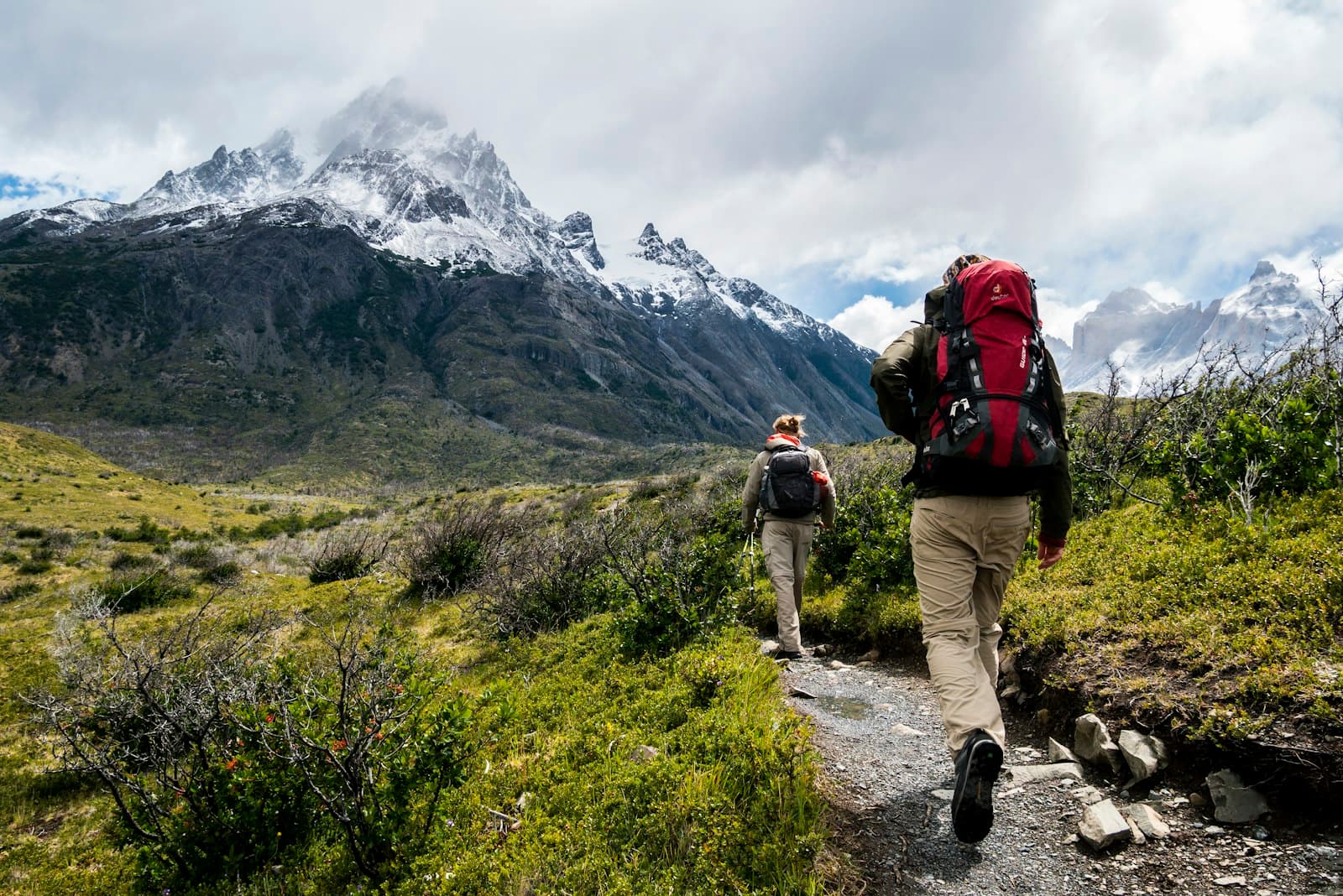

Hikers get burned more than almost any other outdoor recreationists — and it's not because they're careless. It's because hiking creates a perfect storm of UV exposure factors that most people never think about.
You're outside for hours. You're at elevation. You're often above treeline. You're sweating, which rinses off sunscreen. You're facing reflective surfaces — granite, snow, water — from all angles. And you're focused on the trail, not on whether your arms are burning.
This guide covers everything you need to know about sun safety for hiking and trail running: the science behind why UV is more intense on trails, how to build your protection system, and how to use SunUp to plan UV-safe outdoor adventures.
Quick Answer: UV intensity increases 10–12% per 1,000 metres of elevation gain — meaning a Rockies hike at 3,000m exposes you to 30–40% more UV than the sea-level forecast. Combined with reflective granite and snow, extended outdoor duration, and sweat degrading sunscreen, hikers face significantly higher effective UV than almost any other outdoor activity.
Why UV Is More Intense on Trails
Altitude: The 10-12% Rule
UV radiation intensity increases approximately 10–12% for every 1,000 metres (about 3,300 feet) of elevation gain.
At sea level: UV index might be 7 on a summer afternoon. At 1,500m (5,000 ft — typical Sierra Nevada day hike): UV index effectively becomes 8.5–9.1. At 3,000m (10,000 ft — Rockies, high Sierras): UV index effectively becomes 10.5–11.2. At 4,267m (14,000 ft — Colorado 14ers): UV index effectively becomes 12–14.
This happens because at higher altitude, there's less atmosphere for UV to pass through. The atmosphere is your primary UV filter at sea level — and you lose a significant portion of that protection every time you climb.
Reduced Shade
At sea level, you're surrounded by trees, buildings, and other UV-blocking structures. Once you're above treeline — typically 2,300–3,800m depending on latitude — there's nothing between you and the sky. Full 360° exposure.
Surface Reflection
Granite reflects 10–15% of UV. Snow reflects up to 80%. Exposed rock at altitude means you're receiving UV not just from above, but bouncing back up from below. This is why your chin, under your nose, and the underside of your arms burn at altitude even when wearing a hat.
Extended Duration
Day hikes run 4–8 hours. Trail runs in mountain terrain can exceed 12 hours. Even at moderate UV, prolonged exposure adds up significantly.
The UV Exposure Window: Know Your Trail's Peak Hours
Just like in the city, UV peaks between 10 AM and 2 PM on trails. The difference is that many hikers are forced into this window by trailhead timing, parking logistics, and summit schedules.
For day hikes: Aim to summit or reach exposed terrain before 11 AM, then descend or reach shelter by 1–2 PM. This is also good thunderstorm avoidance practice in mountain terrain.
For trail runs: Early start times (6–8 AM) are optimal. You'll likely be finishing in the heat of the day, but if you're descending on technical terrain, fatigue and judgment matter more than UV — plan your start accordingly.
For multiday backpacking: Plan camp locations that allow you to shelter during peak UV hours. A shaded lunch camp from 11 AM–1 PM breaks up exposure effectively.
The Complete Hiking UV Protection System
Layer 1: Clothing (Your Most Reliable Protection)
Unlike sunscreen, clothing doesn't sweat off, wash off in stream crossings, or need reapplication. UPF-rated outdoor clothing is the foundation of a trail sun protection system.
UPF 50+ sun shirt: Long sleeves cover your arms completely. Look for lightweight, moisture-wicking fabrics. Many serious trail runners wear sun shirts as their primary layer.
Wide-brim sun hat (minimum 3" brim): A 3-inch brim shades your face, ears, and neck. A GearTOP Navigator or Discoverer hat with 4-inch brim gives you full coverage. Ball caps leave your ears and neck exposed — inadequate for serious sun exposure.
Gaiters or sun-sleeve leggings: For long hikes or when trails require sun exposure on your lower legs and feet.
Sunglasses with UV400 protection: UV-B penetrates eyes too. High-altitude UV can cause photokeratitis (snow blindness) within hours of exposure. Wraparound styles prevent peripheral UV entry.
Layer 2: Sunscreen Strategy
SPF 30–50 broad-spectrum: Applied to all exposed skin 20–30 minutes before sun exposure.
The sweating problem: Sweat degrades sunscreen quickly. Water-resistant formulas maintain SPF for 40–80 minutes of heavy sweating. Regular formulas can wash off in 20 minutes on a hard trail run.
Reapplication schedule: Every 80 minutes minimum on the trail. Carry a small tube in an accessible pocket — stopping to dig in your pack means you won't reapply. Stick formulas are easier to use on the move.
High-priority zones: Face (especially nose, cheeks, forehead), back of neck, ears, back of hands, forearms.
Often-missed zones: Tops of feet (in sandals or low shoes), the part in your hair (if you have one), underneath sunglasses where reflective UV hits.
Layer 3: Behavior (The Most Underused Tool)
Seek shade during peak hours: Even a 20-minute break under a tree at 12:30 PM meaningfully reduces total dose.
Use terrain: Ridge lines expose you to full sky. Valleys provide shade. Route-planning with sun exposure in mind is a real skill.
Start early: Every hour before 10 AM that you're on trail is an hour of moderate (not peak) UV. A 6 AM start gives you 4 hours of hiking before UV spikes.
Using SunUp for Trail Planning
SunUp has a specific Hiking activity mode that adjusts the exposure calculation for trail conditions.
Here's how to use it before a hike:
- Open Activity Planner
- Select Hiking or Trail Running from the activity list
- Set your planned duration (full day = 8 hours, half day = 4 hours, etc.)
- Check your planned location — SunUp uses GPS but you can also enter a destination address
- Read your result: SunUp gives you your personalized safe exposure time, when UV peaks for that day, recommended SPF level, and reapplication schedule
The key number to watch is UV Peak Time — SunUp shows you the UV forecast curve for the day, so you can see exactly when UV ramps up and plan your timing around it.
The Elevation Adjustment
SunUp does not automatically adjust UV for altitude (this data isn't in standard weather APIs). For hiking above 1,500m, mentally add 15–30% to the UV index the app shows — or check the UV index for the nearest airport, which is typically at lower elevation and will give a lower reading than what you'll experience on the ridge.
A practical rule: at elevation, treat whatever UV index SunUp shows as 1–2 notches higher. UV 7? Plan as if it's UV 8–9. UV 9? Plan as if it's UV 11+.
Trail Running: Specific Considerations
Trail runners face all the same UV risks as hikers, compounded by:
Faster pace = more wind = dries faster = sunscreen feels like it's working when it isn't. Sunscreen doesn't evaporate — it gets physically disrupted by sweat and wiping. Even if you feel dry and comfortable, reapply on schedule.
Faces run with chin up: On uphills especially, your face angles more toward the sky than typical walking posture. More direct exposure to your face.
Arms pump more: More arm movement = more UV exposure on the back of hands and forearms.
Aid stations at midday: Many trail races and group runs have aid stations at the UV peak (noon check-ins are common). Use them to reapply sunscreen, not just refill water bottles.
Group runs add complexity: Running with a pace group means you may not stop when you'd naturally stop to reapply. Carry a stick sunscreen in a vest pocket so you can apply it on the move without slowing the group. If you're in the Oakville area, the Bronte Runners do regular organized runs along the fully exposed Bronte Harbour waterfront — UV protection is a genuine consideration on those routes.
Long events: 50K and 50-mile runs can expose you to 8–12 hours of UV. Full sun protection is not optional — it's medical necessity.
Gear Checklist for Sun-Safe Hiking
- UPF 50+ long-sleeve sun shirt
- Wide-brim hat (3"+ brim, GearTOP Navigator or equivalent)
- UV400 wraparound sunglasses
- SPF 50 water-resistant sunscreen (80-minute rating)
- Small sunscreen tube in hip belt or chest pocket for mid-hike reapplication
- Lightweight sun gloves for exposed ridges (optional but valuable)
- SunUp app set to Hiking mode with your skin type configured
Warning Signs of Too Much Sun
Sunburn symptoms typically don't appear until 2–6 hours after the damage is done. By the time you feel burning or see redness, you've already received too much UV.
Watch for these early warning signs mid-hike:
- Skin feels tighter than normal
- Very slight pinkness on traditionally exposed areas (nose, tops of hands)
- Unusual thirst or headache (also dehydration, but often combined with sun exposure)
If you notice these: increase shade, reapply sunscreen, cover exposed skin, hydrate.
The Bottom Line
Hiking and trail running are two of the healthiest activities you can do. Don't let UV risk be the thing that sidelines you with a painful sunburn, accelerates skin aging, or — long-term — increases your cancer risk.
Build a system: good hat, sun shirt, SPF 50, and SunUp's activity planner to tell you when the UV peaks and how long you're safe. Follow it consistently, and you can spend thousands of hours on trails without significant UV damage.
Download SunUp, set it to Hiking mode, and plan your next trail day with actual UV safety data.
FAQ
What SPF should I use for hiking?
SPF 50 is the standard recommendation for hiking. You're typically outside for 4–8+ hours, often at altitude where UV is 10–30% more intense than at sea level, sweating through your sunscreen, and moving through open terrain without natural shade. SPF 50 water-resistant formula applied before you start, and reapplied every 80 minutes or more frequently on hot, sweaty days, gives you the most reliable protection across a full day on trail.
Does sunscreen work when you're sweating heavily?
Water-resistant formulas maintain their rated SPF for 40–80 minutes of heavy sweating. Standard formulas degrade much faster with sweat. On a hard uphill or a summer trail run, you can sweat through sunscreen protection in 20–30 minutes. The practical answer: use water-resistant (80 minutes rated) formula and reapply on schedule — don't wait until you're back at the trailhead.
How do you protect yourself from sun on a long hike?
The most reliable system is layered: (1) UPF 50+ sun shirt for arms and upper body — it doesn't sweat off or require reapplication; (2) wide-brim hat with 3"+ brim to shade face, ears, and neck; (3) SPF 50 water-resistant sunscreen on all exposed skin including the back of hands and neck; (4) UV400 wraparound sunglasses; (5) timing — start early to finish exposed ridgeline sections before 11 AM. SunUp's hiking mode calculates your personalized safe time based on current UV at your location.
Is UV higher in the mountains?
Yes, significantly. UV intensity increases 10–12% per 1,000 metres of elevation gain. At 2,000m — a common elevation for alpine trails in the Rockies or Alps — UV is 20–25% more intense than at sea level. At 4,000m, it's 40–50% more intense. Standard UV forecasts are calibrated at sea level; the UV you experience on an exposed ridge is noticeably higher than what your weather app shows.
What time should you start a hike to avoid peak UV?
Aim to be at or above exposed terrain by 10 AM, then descend or reach shaded forest by 1–2 PM. This places your peak effort in the 6–10 AM window, where UV is moderate and temperatures are lower. Afternoon thunderstorms in mountain terrain often arrive around 1–3 PM anyway — a compelling additional reason to be off exposed ridgelines by midday. SunUp's 48-hour UV forecast shows you exactly when UV peaks for your planned hiking day.
Apply This Knowledge With SunUp
Get real-time UV data personalized for your skin type, location, and activity.
Download Free — iOS